Common Reasons You’re Failing at Meal Prep
Struggling to stick with meal prep despite your best intentions? You’re definitely not alone. Many busy women start meal prepping with enthusiasm, only to find themselves out of options by Wednesday. Understanding why common meal prep fails can help you build a sustainable routine that works for your hectic schedule.
You know meal prep has excellent benefits—saving time during busy weekdays, keeping you on track with healthy eating, and reducing the stress of last-minute dinner decisions. Yet somehow, your carefully planned Sunday sessions keep falling apart. Let’s dig into the most common stumbling blocks and discover practical solutions that fit your real life.
Between work deadlines and kids’ activities, these insights will help you create a meal prep system that supports your wellness goals without adding extra pressure to your already full plate.
You’re Trying to Prep Everything at Once
The biggest mistake many women make is to attempt to prep an entire week’s worth of meals in one marathon Sunday session. This approach feels overwhelming and often leads to burnout before you finish.
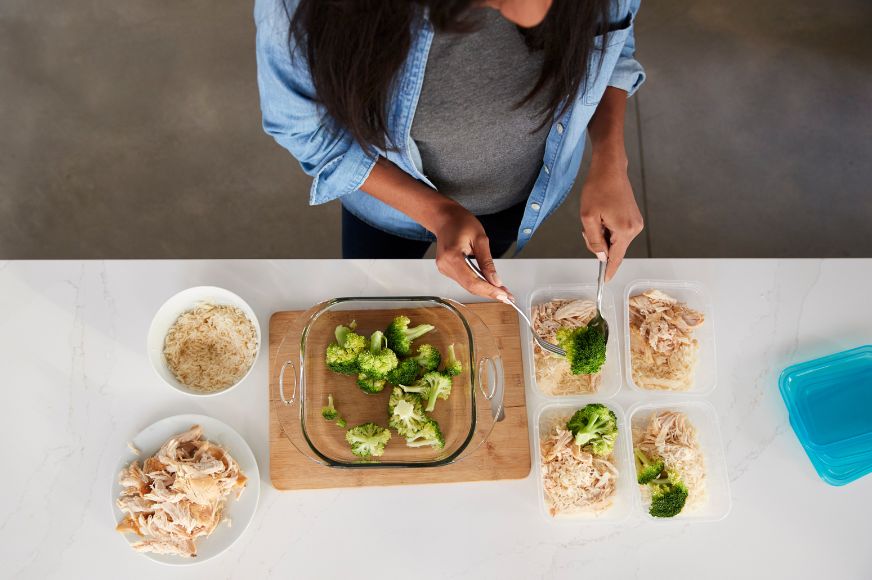
Instead of prepping seven complete meals, focus on preparing key components that can mix and match throughout the week. Cook a big batch of protein, such as grilled chicken or baked salmon, roast several types of vegetables, and prepare a grain base, such as quinoa or brown rice. These building blocks give you the flexibility to create different combinations each day.
Start with prepping just two to three days ahead. This approach feels more manageable and prevents food from sitting in the fridge for too long. You can always add more prep days as the routine becomes natural.
Your Meal Plans Don’t Match Your Reality
Planning elaborate, Instagram-worthy meals might look appealing, but they often don’t align with your actual lifestyle. If you’re rushing out the door most mornings, a complicated breakfast requiring multiple steps won’t work.
Consider your weekly schedule honestly. Do you have early morning meetings that require grab-and-go options? Are evenings packed with kids’ activities that need portable dinners? Plan meals that genuinely fit these patterns, rather than fighting against them.
Keep a simple rotation of reliable recipes that your family actually enjoys eating. Common reasons people fail at meal prep often stem from choosing meals based on what you think you should eat, rather than what you’ll realistically want to eat on a busy Tuesday night.
You’re Not Accounting for Cooking Fatigue
After a long day of work and family responsibilities, the last thing you want to do is spend significant time in the kitchen. Yet many meal prep plans assume you’ll have energy for elaborate cooking every day.
Batch cooking becomes your best friend here. Dedicate one or two sessions per week to cooking larger quantities, then simply reheat and assemble during busy weekdays. Think sheet-pan meals, slow-cooker recipes, or one-pot dishes that minimize cleanup.
Seafood can be particularly valuable for quick, nutritious meals. Incorporating omega-3-rich foods supports energy levels and recovery, which is precisely what busy women need. Seafood is also beneficial for strength training, as these nutrients help maintain energy and support wellness goals.
Your Storage System Isn’t Working
Investing in proper storage containers makes a massive difference in meal prep success. Mismatched containers, inadequate portions, or poor organization can quickly derail your efforts.
Choose glass containers with tight-fitting lids that stack neatly in your fridge. Having uniform containers helps you see what you have available and keeps portions consistent. Label everything with contents and dates to prevent mystery meals lurking in the back of your fridge.
Portion control becomes easier when you use containers sized appropriately for your needs. This tactic prevents overeating and ensures you have the right amount of food prepared for each meal.
You’re Ignoring Your Preferences and Cravings
Meal prep shouldn’t feel like punishment. If you’re forcing yourself to eat foods you don’t enjoy, you’ll inevitably abandon the plan and reach for something more appealing.
Build flexibility into your meal prep by preparing ingredients rather than complete meals. When you have prepped vegetables, cooked grains, and prepared proteins available, you can create meals based on what sounds good each day.
Keep some healthy convenience foods on hand for days when even your prepped meals don’t appeal to you. Having backup options prevents your entire week from derailing when cravings strike.
You’re Not Planning for Real Life Interruptions
Life happens. Kids get sick, work deadlines shift, or social plans change, and so does your dinner schedule. Rigid meal prep plans often crumble when faced with these regular life events.
Build buffer meals into your prep routine. Having one or two extra portions, or ingredients, frozen for a super-quick meal gives you options when plans change unexpectedly.
You’re Skipping the Planning Phase
Successful meal prep starts before you enter the kitchen. Without proper planning, you’ll find yourself staring at random ingredients, wondering what to make.
Spend 10-15 minutes each week reviewing your schedule and planning meals accordingly. Note which days you’ll need grab-and-go options, when you’ll have more time for cooking, and any special events or commitments that might affect your eating schedule.
Check your pantry and fridge before shopping to avoid buying duplicates or forgetting essential ingredients. A simple meal planning template or app can streamline this process and make it feel less overwhelming.
For busy weeks when even basic meal prep feels challenging, remember that staying fit and energized involves finding sustainable approaches that work with your schedule, rather than against it.
Making Meal Prep Work for Your Busy Life
Meal prep success comes from designing a system that fits your unique lifestyle, rather than forcing yourself into someone else’s perfect routine. Start small, be realistic about your time and energy levels, and remember that any prep is better than no prep.
Focus on preparing versatile ingredients you can combine in multiple ways throughout the week. This approach reduces both prep time and decision fatigue, while keeping your meals enjoyable and satisfying.
Most importantly, give yourself permission to adjust and evolve your meal prep approach as your needs change. What works during a busy season at work might need tweaking when your schedule shifts. The goal is to create sustainable habits that support your wellness without adding stress to your already full life.
Looking for more fitness & wellness related content? See more articles on The Blog.
Don’t Move a Muscle – Let’s Stay in Touch
Learn more about popular fitness & wellness related topics + enjoy a weekly fitness events listing!