Why You’re Never Too Old To Run Your First Marathon
If you’ve ever watched marathon coverage on TV and thought, “I wish I could do that, but I’m too old,” it’s time to challenge that belief. Women across St. Louis and beyond are discovering that marathon running isn’t only for twenty-something athletes. Whether you’re 35 or 55, your first marathon can become one of your most empowering achievements.
The myth that marathon running belongs only to the young stems from outdated thinking. Your body might not bounce back as quickly as it did at 25, but your mind has grown stronger and more resilient. Below, we’ll explain why you’re never too old to run your first marathon and offer guidance on how to find the right motivation, how to start training, and more!
Finding the Right Motivation
Personal Goals and Incentives
Your motivation for running a marathon will carry you through months of training and the 26.2 miles on race day. Many women find their “why” in unexpected places, whether it’s honoring a loved one, celebrating a life transition, or simply proving that age doesn’t define their limits. Consider writing down your reasons and revisiting the list on challenging training days.
To keep momentum when motivation wanes, create personal incentives. Some runners reward themselves with new gear after hitting weekly mileage goals, while others plan a celebratory dinner or weekend getaway after a long training run. The key is to choose rewards that are personally meaningful to you.

Joining a Local Running Club
St. Louis is home to several welcoming running communities for both beginners and experienced runners. The St. Louis Track Club offers group training sessions, social runs, and first-time marathon preparation programs, making training enjoyable and social while building accountability. Big River Running Company keeps a list of running events on their website and also hosts weekly group runs in multiple locations, like Clayton, Webster Groves, and Kirkwood. For non- competitive, community based running consider a group run hosted by Three Run Four or STL Run Crew.
Running with a group provides built-in motivation, safety during early or late runs, and valuable advice from seasoned marathoners. Beyond training, the friendships you make along the way can be as rewarding as crossing the finish line.
Preparing Your Body
The Physical Training for a Marathon
Marathon training requires more than just running longer distances. Your body needs comprehensive preparation that includes strength training, flexibility work, and cardiovascular conditioning. This becomes especially important for women over 30, as our bodies require more recovery time and injury prevention strategies.
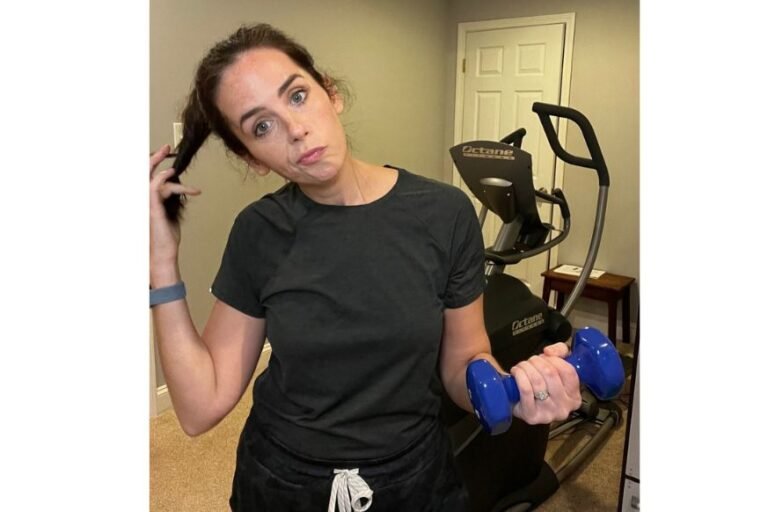
A good way to gradually introduce marathon preparation to your body is by using cardio machines during your workout. These machines, like ellipticals and stationary bikes, are easier on the joints but still allow you to train your cardiovascular system. Eventually, of course, you’ll need to actually run to train your body, but start in small doses and gradually increase distances over a period of months to not overextend your body physically.
Nutrition and Hydration Strategies
Proper nutrition is key to fueling your training and supporting recovery. Focus on whole foods like lean proteins, complex carbs, healthy fats, and plenty of vegetables. With greater training, your calorie needs rise, but the quality of those calories is crucial. Stay hydrated by drinking water consistently throughout the day instead of catching up after runs.
During long training runs, experiment with fueling strategies to find what works best for your digestion. Options like sports drinks, energy gels, or whole foods such as bananas or dates can provide the energy endurance runs require—just never try something new on race day.
Choosing the Right Marathon and Training Plan
Local Race Options in St. Louis
The St. Louis Marathon, held each April, is an excellent choice for a first marathon. It features strong community support, well-organized aid stations, and a relatively flat course through the city, creating an encouraging atmosphere for runners of all abilities. Another popular option for St. Louis runners is the Chicago Marathon. While not local, it’s known for being beginner-friendly with incredible crowd support, though entry is by lottery, so it’s wise to have backup races in mind.
When selecting a race, consider its timing and course details. Most training plans last 16-20 weeks, so you’ll need to work backward from the race date to know when to begin.
Starting Slow and Staying Consistent
Successful marathon training is all about consistency, not speed. Start with a base-building phase, gradually increasing your weekly mileage while keeping most runs conversational. Adhere to the 10 percent rule, increasing your weekly mileage by no more than 10 percent to minimize injury risk and allow your body to adapt.
Long runs are vital, but don’t rush them. Begin with manageable distances and add one to two miles every other week to build endurance and confidence. Ensure your weekly schedule includes a rest day and an easy recovery run. These recovery runs help flush metabolic waste and maintain fitness without overtraining.
Essential Gear and Local Resources
Running Gear That Works
Finding the right running shoes for your feet and lower body is crucial to your success and comfort during endurance runs. Not all endurance shoes are the same—consult a women’s shoe guide on neutral and stability shoes to determine which is ideal for you. Get a professional gait analysis and fitting at one of the many local shoe stores in the St. Louis area.
A GPS watch is great for tracking distance, pace, and heart rate, with basic models from Garmin or Fitbit offering ample features. For long runs, consider a running belt for fuel and hydration, reflective gear for visibility, and quality socks to prevent blisters.
Where to Find Resources in St. Louis
Big River Running Company provides comprehensive marathon training programs, group runs, and expert advice from staff who are runners themselves. Their multiple locations make joining convenient regardless of where you live in the metro area.
The St. Louis Track Club also offers training groups, educational seminars, and social events that connect you with the local running community. Membership provides access to group training, discounted race entries, and ongoing support throughout your marathon journey.
Embrace the Challenge and Celebrate Your Journey
As you can see, you’re never too old to run your first marathon if you have the right motivation and dedication. Your first marathon represents more than 26.2 miles of running. It symbolizes months of dedication, early morning alarms, and choosing to invest in yourself when life pulls you in countless directions.
Start today by lacing up your running shoes for a comfortable 20-30 minute run around your neighborhood. Your marathon journey begins with that single step, and the finish line celebration will feel even sweeter knowing you started exactly where you are right now.
Looking for more fitness and wellness-related content? See more articles on Fitness Foodie STL!
Don’t Move a Muscle – Let’s Stay in Touch
Learn more about popular fitness & wellness related topics + enjoy a weekly fitness events listing!