Ways To Make Injury Recovery More Comfortable
Recovering from an injury often brings physical challenges, emotional strain, and the need for patience. While healing takes time, you can make the recovery experience more comfortable by focusing on strategies and tools that promote well-being. From using the right tools to ensuring proper nutrition, there are many ways to support your recovery while enhancing your quality of life.
Understand Your Body’s Recovery Needs
Recovery isn’t a linear process. Your body requires energy and resources to repair damaged tissues, which means your usual routines might hinder your healing process rather than help it. Understanding this fundamental shift in priorities helps you make smarter decisions and recover from your injury faster.
Inflammation
Inflammation plays a crucial role in the early stages of healing, but chronic inflammation can slow recovery. Gentle movement often reduces excessive inflammation while promoting healthy blood flow to injured areas. This delicate balance requires patience and careful attention to your body’s signals.
Sleep
Getting proper sleep is one of the most essential—and often overlooked—parts of injury recovery. While you rest, your body is hard at work repairing tissues, reducing inflammation, and releasing growth hormones that speed healing. Quality sleep also strengthens your immune system, helps regulate pain, and restores your nervous system, which is key to preventing re-injury. Beyond the physical benefits, being well-rested improves your mood, energy, and focus—making it easier to stay consistent with rehab and maintain a positive outlook during the healing process. In short, sleep isn’t just rest; it’s an active part of the recovery journey.
Managing Discomfort and Pain
Discomfort is a natural part of many recovery journeys, but there are strategies to make it more manageable. For example, applying heat or cold to affected areas can reduce swelling and ease pain. Consult with your healthcare provider to understand the best methods for your specific injury.
Tools and Supplies That Enhance Comfort During Injury Recovery
Using the right tools and supplies can significantly improve your comfort and make daily activities easier to manage while you heal.
Specialized Beds for Recovery
Hospital bed rentals can make at-home recovery easier, so if you can, take advantage of this essential tool. These beds provide adjustable positioning, which can make it easier to get in and out without straining yourself. The added support ensures proper body alignment, reducing the risk of discomfort and further injury.
Cushions and Support Braces
Ergonomic cushions and braces can alleviate pressure on sensitive areas. For example, using a memory foam seat cushion or a lumbar support pillow can reduce strain on your back while sitting. Similarly, braces or wraps designed for specific injuries can provide stability and promote healing.
Recovery Footwear
If your injury affects your lower body, consider investing in supportive footwear designed to reduce impact and provide stabilization. Look for shoes with features like cushioned soles and adjustable straps for personalized comfort. This recovery tool helps you slowly get back to your normal routine while ensuring you stay safe and supported.
Easy-To-Use Fitness Aids
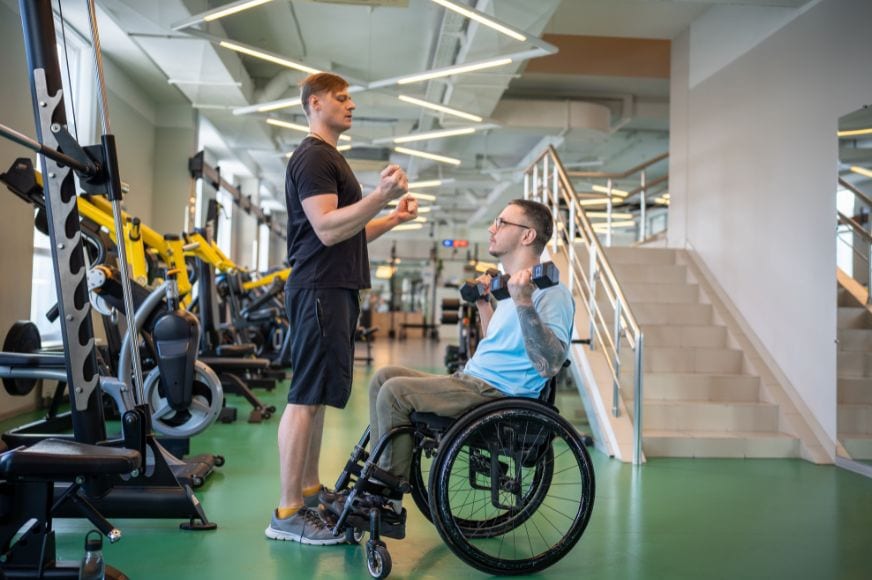
For those who want to maintain some level of activity during recovery, resistance bands or light dumbbells are safe options. These tools enable you to engage in controlled exercises without placing too much strain on healing tissues.
Nutrition Considerations for Active Injury Recovery
Your protein needs increase during injury recovery as your body repairs damaged tissues. Incorporating high-quality protein sources throughout the day supports muscle maintenance and healing processes. You should include some protein in each meal rather than concentrating it in one large serving.
Anti-inflammatory foods, including fatty fish, leafy greens, and colorful fruits, provide nutrients that support healing while reducing excessive inflammation. These foods also provide antioxidants that protect against cellular damage during the recovery process.
Hydration becomes even more critical during recovery since proper fluid balance supports circulation, nutrient delivery, and waste removal. Monitor your hydration status and increase fluid intake if you’re taking medications that affect fluid balance.
Caloric needs may change during recovery depending on your activity level and the energy demands of healing. Work with a healthcare provider or registered dietitian to adjust your nutrition plan appropriately.

Emotional Well-Being During Injury Recovery
Recovery isn’t just about physical healing; it’s an emotional and mental process, too. Feeling frustrated or impatient is normal, but there are ways to stay positive and focused.
Stay Connected
Isolation during recovery can take a toll on your emotional health. Keep in touch with family and friends or join support groups for individuals recovering from similar injuries. Inviting a friend for a movie night and light movement session can keep you motivated to recover.
Practice Self-Compassion
It’s easy to feel discouraged when you can’t participate in your usual activities. Remind yourself that recovery is a temporary phase and that each step you take, no matter how small, is progress. Celebrate milestones, such as reduced pain or increased mobility, to keep your spirits high.
Return to Full Activity Safely
Once your recovery is well underway, transitioning back to normal activities requires careful planning. Start slowly and pay attention to your body’s responses.
Take It One Step at a Time
Returning to activity too quickly can lead to setbacks. Gradual progression prevents re-injury and builds confidence as you return to your regular fitness routine. Begin with low-intensity exercises and gradually increase your effort as your body adjusts. Always listen to your physical cues and stop if you experience sharp or worsening pain.
Build a Sustainable Routine
This is an opportunity to rethink and diversify your fitness routine to prevent future injuries. Incorporating cross-training, proper warm-ups, and cool-downs into your schedule can make your activities safer and more enjoyable.
Listen to Your Body
Listen to your body’s signals and distinguish between normal muscle fatigue and pain that might indicate problems. Sharp, shooting, or increasing pain warrants immediate attention and possible activity modification.
Moving Forward, Stronger Than Before
Injury recovery periods, while challenging, often provide valuable insights into your body’s needs and capabilities. The patience, creativity, and self-awareness developed during recovery frequently lead to more sustainable, well-rounded fitness approaches.
Use this experience to diversify your fitness routine and reduce injury risk moving forward. Cross-training, proper warm-up and cool-down protocols, and attention to recovery needs can prevent future setbacks.
Your recovery journey demonstrates your resilience and adaptability, and staying fit and comfortable serves you well in all aspects of life.
Looking for more fitness and wellness-related content? See more articles on Fitness Foodie STL.
Don’t Move a Muscle – Let’s Stay in Touch
Learn more about popular fitness & wellness related topics + enjoy a weekly fitness events listing!