Most Effective Ways To Recover After a Workout
You just crushed a challenging workout, and you feel on top of the world. But the next day, you wake up feeling sore, stiff, and completely drained. As busy women juggling careers, family, and everything in between, we need our bodies to keep up. That’s why post-workout recovery is just as important as the workout itself.
Proper recovery helps repair muscle tissue, reduce soreness, and replenish your energy stores, so you can get back to your routine feeling strong and refreshed. Ignoring recovery can lead to fatigue, decreased performance, and even injury, which nobody has time for.
This guide will walk you through the most effective ways to recover after a workout, from simple stretches to smart nutrition. By incorporating these strategies, you can bounce back faster, prevent burnout, and keep making progress toward your fitness goals, all while managing your busy life.
Why Post-Workout Recovery Matters
When you work out, tiny tears form in your muscle fibers. This phenomenon is a normal and necessary part of getting stronger. Recovery is the process by which your body repairs these tears, rebuilding your muscles to be more resilient than before. Without adequate recovery, you deny your body the chance to complete this crucial cycle.
Finding time for self-care can feel like a luxury. But think of recovery not as an extra task, but as an essential part of your fitness journey. It ensures the time you dedicate to working out pays off. It helps you stay consistent, avoid injury, and maintain the energy you need for your family, your job, and yourself.

Active Recovery: Keep Moving Gently
The idea of moving more when you feel sore might seem backward, but light activity can significantly speed up recovery. Active recovery increases blood flow to your muscles, helping flush out metabolic waste products like lactic acid and delivering the nutrients needed for repair.
Light Cardio
Consider engaging in some light cardio on your rest days. A brisk walk through the park, a leisurely bike ride, or a gentle swim can do wonders. Aim for about 20-30 minutes of low-intensity movement. The goal is to get your blood pumping without adding strain to your tired muscles.
Dynamic Stretching
Before your next workout, and even on rest days, dynamic stretching can help relieve stiffness. Unlike static stretching, which involves holding a pose, dynamic stretching involves continuous movement. Think leg swings, arm circles, and torso twists. These movements help warm up your muscles, improve your range of motion, and prepare your body for more intense activity, aiding recovery.
Nutrition And Hydration: Fuel Your Recovery
What you eat and drink after a workout has a massive impact on how quickly you recover. Your body needs the right building blocks to repair muscle tissue and the proper fluids to rehydrate.
Prioritize Protein
Protein is the star player in muscle repair. Consuming protein after a workout provides your body with the amino acids it needs to rebuild and strengthen muscle fibers.
Aim to get about 20-30 grams of high-quality protein within an hour or two of finishing your exercise. Good sources include lean chicken, fish, eggs, Greek yogurt, or a quality protein shake if you’re on the go.
Don’t Forget Carbohydrates
Carbohydrates are your body’s primary energy source. During a workout, you deplete your muscle glycogen stores. Replenishing these stores with healthy carbs like sweet potatoes, brown rice, or fruit helps restore your energy levels and prepares you for your next session. Combining carbs with protein in your post-workout meal is a winning combination for recovery.
Hydrate, Hydrate, Hydrate
You lose a lot of fluid through sweat during exercise, and dehydration can hinder recovery and performance. Make sure to drink plenty of water throughout the day, not just during your workout. Your hydration needs will vary, but a good rule of thumb is to drink enough so that your urine is pale yellow.
Sleep: The Ultimate Recovery Tool
Never underestimate the power of a good night’s sleep. While you sleep, your body is in full repair mode. It releases growth hormones, which are vital for muscle growth and repair. Sleep also helps reduce inflammation and restores your nervous system.
Aim for eight to nine hours of quality sleep per night. If you struggle with sleep, establishing a relaxing bedtime routine can help you. Try turning off screens an hour before bed, reading a book, or taking a warm bath. A cool, dark, and quiet bedroom can also improve your sleep quality.
Advanced Recovery Techniques
If you want to take your recovery to the next level, you can incorporate several other techniques into your routine. These methods can help soothe sore muscles and promote relaxation.
Foam Rolling
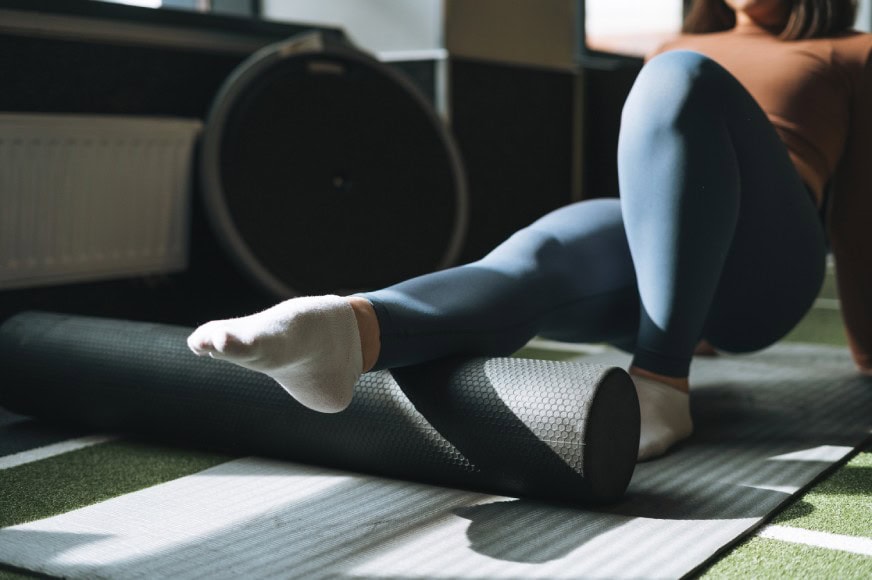
Foam rolling, or self-myofascial release, is like a deep-tissue massage you can do yourself. It helps break up muscle knots and adhesions, relieving tension and improving flexibility. Spend about five to 10 minutes after your workout or on a rest day rolling out major muscle groups like your quads, hamstrings, and back.
Saunas
The deep heat from a sauna can increase circulation, relieve muscle tension, and promote relaxation. Spending some time in a sauna after a workout can be a great way to unwind and support your body’s recovery process. It’s a peaceful way to care for your body and mind.
Massage
If your budget allows, a professional massage is one of the more relaxing ways to recover after a workout. A massage therapist can target specific areas of tightness and soreness, improving blood flow and promoting muscle repair.
Listen to Your Body
Ultimately, the most important part of recovery is listening to your body. Everyone is different, and your recovery needs will change based on the intensity of your workouts, your stress levels, and your overall health. Some days you might need more rest, while other days you might feel ready for a light, active recovery session.
Make Recovery a Priority
Integrating these recovery strategies into your routine will help you stay consistent, strong, and energized. By making recovery a priority, you are investing in your long-term health and fitness, ensuring you can keep up with your busy life and continue to crush your goals.
Looking for more fitness & wellness-related content? See more articles on The Blog.
Don’t Move a Muscle – Let’s Stay in Touch
Learn more about popular fitness & wellness related topics + enjoy a weekly fitness events listing!